
Key Takeaways
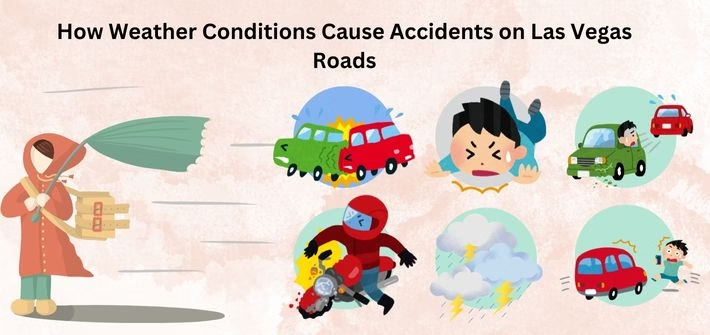
- Even minor weather changes in Las Vegas, such as drizzle or wind, can increase the risk of accidents.
- Flash floods and dust storms highlight the region’s most dangerous weather threats.
- Defensive driving and vehicle maintenance are crucial for safety during adverse conditions.
- Improvements to local infrastructure play a pivotal role in reducing weather-related crashes.
Table of Contents
- Rain and Slick Roads
- Flash Floods
- Dust Storms and High Winds
- Temperature Extremes
- Driver Behavior During Adverse Weather
- Preventive Measures for Drivers
- Infrastructure and Weather-Related Accidents
- Conclusion
Las Vegas might be famous for its dry weather and endless sunshine, but the city’s rare shifts in weather present unique hazards for drivers. When the skies darken or winds howl across the valley, even seasoned residents need to consider adjustments in how they navigate the roads. Whether it’s a sudden rainstorm or a blinding dust event, understanding the connection between local weather and roadway risk is crucial. For drivers facing the consequences of an accident or seeking preventive guidance, blakefriedmanlaw.com provides resources and legal support tailored to Las Vegas road conditions.
Hazardous weather doesn’t have to be extreme to turn a routine drive into a dangerous one. Minimal precipitation, high winds, or abrupt temperature swings can all contribute to crashes. By recognizing these risks and learning strategies for prevention, drivers can protect themselves and others on the road, reducing the strain on both personal well-being and the area’s transportation system.
The consequences of weather-related crashes extend beyond the initial impact. Personal injury, property damage, and increased traffic congestion are all potential outcomes when drivers and infrastructure aren’t prepared. Preventive measures—ranging from basic defensive driving techniques to community investments in safer street design—are vital tools for minimizing both human and financial costs.
Given the region’s combination of rapid development and environmental unpredictability, education around weather-related hazards is more important than ever. Emphasizing practical steps for both drivers and city planners means fewer lives lost and less disruption during Las Vegas’s variable weather events.
Rain and Slick Roads
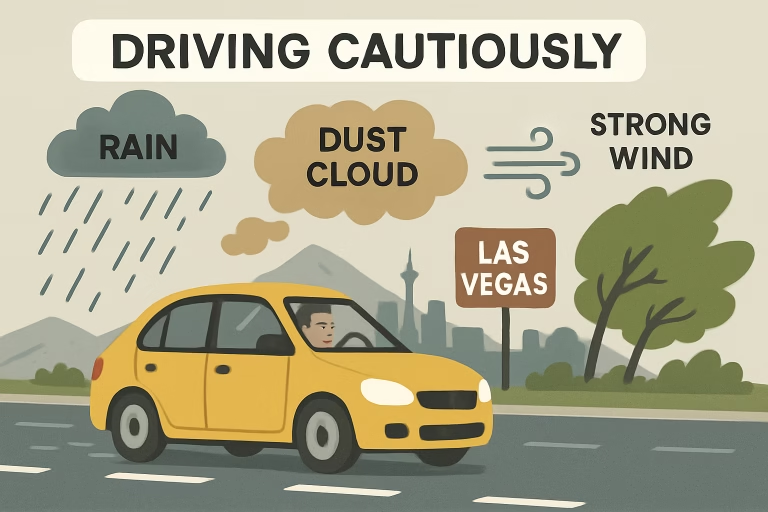
Compared to other parts of the country, Las Vegas receives little yearly rainfall—averaging roughly four inches—yet even light rainfall can dramatically raise the accident rate. The city’s infrequent storms cause oil and dust to accumulate on road surfaces between downpours. When rain finally arrives, this residue mixes with water, creating a treacherous layer that drastically reduces tire grip. Local law enforcement consistently observes a spike in roadway incidents immediately after rain begins, particularly on major highways and off-ramps.
Flash Floods
Flash flooding remains one of the most threatening outcomes of Las Vegas’s rare rainstorms. Low-lying zones and poorly drained intersections can fill with water quickly, catching drivers by surprise and stalling vehicles. The infamous 1999 Las Vegas flood—which left two people dead and caused millions in property damage—demonstrated the lethal potential of desert floods. Although city infrastructure has since been improved, local officials continually warn against the dangers of entering flooded roadways.
Dust Storms and High Winds
The arid surroundings of Las Vegas make it susceptible to sudden dust storms, often brought on by high, gusty winds. These events drastically reduce visibility, making it nearly impossible for drivers to see what’s ahead. Unexpected dust clouds can lead to multi-car pileups and result in extended closures on major routes, particularly during spring and late summer. High winds are also known to dislodge debris, creating further obstacles for unwary drivers and often contributing to serious accidents when combined with limited sight distance.
Temperature Extremes
While most days in Las Vegas are marked by high, dry temperatures, the city occasionally experiences cold snaps or record-breaking heat. Hot weather can wreak havoc on vehicles, causing tires to blow out, engines to overheat, and braking distances to increase due to the expansion of road surface materials. Meanwhile, rare icy mornings can catch drivers off guard, particularly on bridges and overpasses where frost tends to form first. Because these hazards are infrequent, many motorists are caught unprepared, leading to preventable collisions and breakdowns.
Driver Behavior During Adverse Weather
Driver choices play a crucial role during adverse weather. Actions that are risky even in ideal conditions—such as speeding, failing to maintain sufficient distance, or becoming distracted—are especially dangerous when roads are slick or visibility is reduced. Defensive driving instructors consistently recommend slowing down, focusing attention fully on the road, and planning for longer stops when weather conditions are poor. Officers routinely note that many weather-related accidents in the valley stem from drivers underestimating how much the weather has changed the road surface’s behavior.
Preventive Measures for Drivers
- Regularly check vehicle systems, focusing on tire tread and pressure, brakes, and windshield wipers.
- Reduce speed and maintain a safe following distance, especially in wet, windy, or dusty conditions.
- Never attempt to cross standing or moving water of uncertain depth—“Turn Around, Don’t Drown” is a key emergency mantra.
- Pay close attention to weather alerts and road closure notices before and during severe weather.
Infrastructure and Weather-Related Accidents
Local infrastructure plays a crucial role in determining how well Las Vegas copes with shifting weather patterns. Poorly designed streets, inadequate drainage, and a shortage of weather-appropriate signage can magnify the dangers posed by Mother Nature. Over the years, city authorities have launched a range of improvements—from retrofitting older roadways with better drainage systems to installing additional digital warning signs. These positive changes enable drivers to be alerted quickly during emergencies, divert traffic away from high-risk areas, and ultimately reduce accident rates following adverse weather conditions.
Conclusion
Staying safe on Las Vegas roads means paying attention not only to driving habits, but also to the forecast. By being aware of how quickly weather can create hazards—whether rain, dust, wind, or extreme temperatures—local motorists can better protect themselves and their community. Awareness, preparedness, and accountability from both individuals and city officials are essential for reducing weather-related accidents throughout the year.