
Have you ever stopped mid-step and felt your foot slide just a little too far? That split second. The heart jumps. You catch yourself, maybe laugh it off. But the thought lingers. What if you hadn’t?
Homes are supposed to feel safe. Comfortable. Familiar. Yet accidents often happen in the most familiar places. Right where we feel most relaxed. Bathrooms. Kitchens. Hallways we’ve walked a thousand times.
For kids, it’s usually speed. They move fast. Too fast. For seniors, it’s balance. Or the lack of it. Different reasons. Same result. A fall. And sometimes, a fall can change everything.
This article explores how a small, often-ignored household addition can quietly protect the people who matter most. No dramatic renovations. No complex solutions. Just thoughtful prevention, layered into everyday life.
Understanding the Risk of Slips and Falls at Home
Slips and falls don’t announce themselves. They don’t warn you. They happen. Statistics tell one story. Real life tells another. A child running from the bath, dripping water across tiles. A senior stepping into the kitchen early in the morning, socks on, floor still cool and smooth.
It’s rarely dramatic at first. A slip. A stumble. Sometimes no injury at all. Other times, a sharp cry. Or silence. The scary kind. Floors are unforgiving. Especially hard ones. Tile. Marble. Polished wood. Modern homes love them. They look clean. Stylish. Minimal. But they can be slick. Very slick.
The problem isn’t carelessness. It’s physics. Low friction. Moisture. Movement. All colliding at once. And once you notice how often people almost fall, you can’t unsee it.
Why Children Need Extra Protection at Home
Kids don’t walk. They launch. They run before they think. They spin. Slide. Jump. Sometimes all at once. It’s joyful, really. Watching them move with that much freedom. That much trust in the world.
But their bodies are still learning balance. Their feet don’t always land where they expect. Their brains are busy with imagination, not caution. A toddler stepping onto a wet bathroom floor doesn’t register danger. It registers curiosity. Cold tiles. A reflection. Maybe a toy. And then whoops.
Children fall a lot. Most of the time, they bounce back. But not always. Head bumps. Wrist injuries. Fear that sticks longer than bruises. Parents try to hover. To warn. “Careful!” becomes background noise. Kids tune it out. That’s why passive safety matters. Protection that works quietly. Without instructions. Without reminders.
Unique Safety Needs of Seniors
For seniors, falling isn’t just painful. It’s personal. It shakes confidence. Makes people question their own bodies. Their independence. Their place in their own home.
Balance changes with age. Muscles weaken. Reflexes slow. Vision might blur slightly. These changes are normal. Natural. But the environment doesn’t adjust automatically.
A slippery floor doesn’t care if you’re careful. Many older adults start moving differently after a near-fall. Smaller steps. Hesitation. Holding onto furniture. The fear creeps in. And fear limits life.
One fall can lead to months of recovery. Sometimes longer. Sometimes, never fully. So, prevention isn’t about wrapping seniors in bubble wrap. It’s about giving them quiet support. Stability, they don’t have to think about.
How Anti-Slip Mats Improve Home Safety
The magic is friction. Simple. Reliable. Anti-slip mats create resistance between the feet and the floor. That’s it. No electricity. No sensors. Just texture doing its job. They stay put. They don’t slide when weight shifts. Even when wet. Even when rushed.
This is where non-slip mats earn their place. Not loudly. Not visibly, most of the time. But consistently. You step on them. You feel grounded. Subconsciously. Your body relaxes a little. That feeling matters more than people realize.
Key Areas in the Home That Benefit Most
Not all spaces are equal. Some rooms are just more dangerous. Bathrooms come first. Always. Water changes everything. A dry tile is one thing. A wet one is another entirely. Stepping out of the shower is a vulnerable moment for everyone.
Kitchens follow closely. Cooking means spills. Oil. Water. Distractions. You turn too fast. Reach too far. Entryways are sneaky. Rain-soaked shoes. Snow. Mud. Even sand can act like tiny ball bearings underfoot.
Then there are hallways and stairs. Places we rush through. Places we don’t pay attention to anymore. Adding traction here isn’t dramatic. But it’s smart.
Comfort and Convenience Beyond Safety
There’s a surprising bonus. Comfort. Standing on hard floors hurts after a while. Knees ache. Lower backs complain. Seniors feel it first, but anyone can feel it. Cushioned mats soften the impact. Literally, they make standing tasks easier, such as washing dishes, brushing teeth and folding laundry.
And they’re warm, especially in winter. That cold shock under bare feet disappears. Noise drops too. Footsteps sound softer. The house feels calmer. Quieter. More lived-in. Small comforts add up.
Easy Installation and Maintenance
No manuals. No tools. No stress. You place the mat. That’s it. If it’s wrong, you move it. Simple. Cleaning is easy. Shake it out. Wipe it down. Some even go in the wash. Life-friendly solutions matter.
They’re also flexible. Needs change. Kids grow. Seniors recover or slow down. Mats can move with those changes. Temporary. Permanent. Somewhere in between.
Cost-Effective Safety Solution
Safety doesn’t have to be expensive. Thankfully. Compared to hospital bills, physical therapy, or home remodeling, mats are almost nothing. A small purchase. A big return.
People often wait until after an accident to invest in prevention. That’s human nature. But prevention always costs less than recovery. Always. And the peace of mind? Hard to put a price on that.
Knowing your child can run through the house with one less risk. Knowing that an aging parent can walk to the bathroom at night without fear. That’s value.
Supporting Independence and Confidence
This part matters most. Safety should never feel like a restriction. It should feel like freedom. Quiet freedom. When seniors trust the floor beneath them, they move more. When kids don’t slip as often, they play more confidently. Movement is health. Confidence is dignity. The goal isn’t to remind people they’re vulnerable. It’s to help them forget about danger altogether. And when safety blends into daily life like that, it works.
A Practical Addition for Multi-Generational Homes
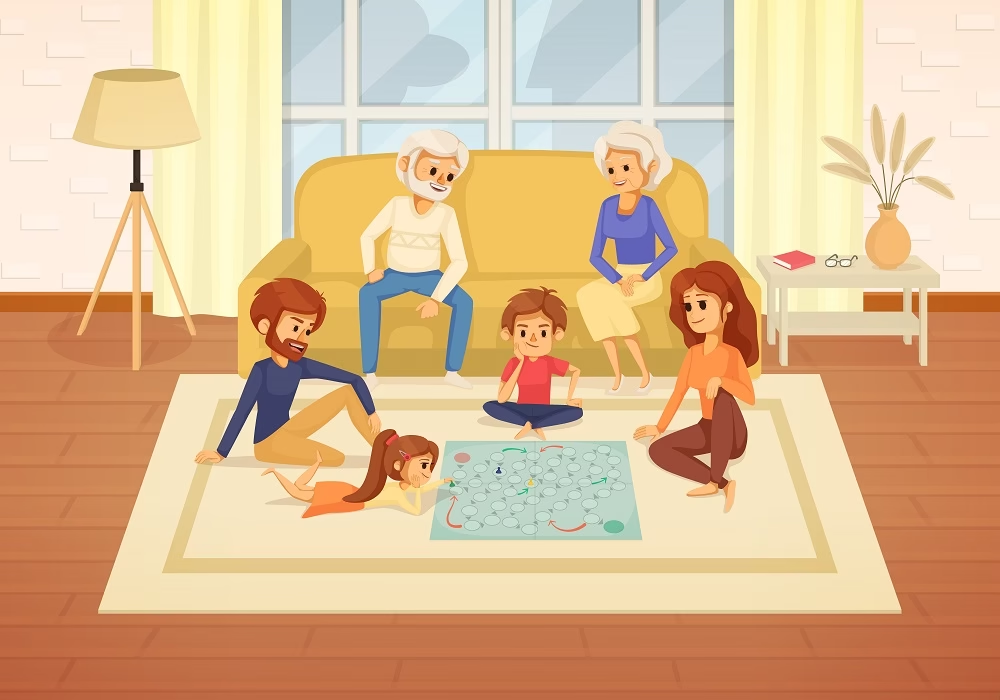
Many homes hold multiple generations now. Grandparents. Parents. Children. All under one roof. Their needs overlap more than you’d think. What protects a toddler also supports a senior? What helps a senior also protects a busy parent carrying groceries. That’s efficiency. One solution. Many benefits. No redesigning rooms for each age group. Just thoughtful layering of safety.
Environmental and Design Considerations
Function doesn’t have to look boring anymore. Thankfully. Modern mats come in subtle colors. Clean designs. Textures that feel intentional, not medical. Some are made with eco-friendly materials. Recycled fibers. Low-impact production. That matters to a lot of families now. Safety that respects the planet. And your living room aesthetic. You shouldn’t have to choose between style and protection. You really don’t.
Conclusion
Safety is often invisible. When it works, you don’t notice it. That’s the beauty of it. A safer home isn’t about fear. It’s about care. About noticing small risks before they become big problems. About making everyday movement easier, calmer, and more confident. For children, it means freedom without constant warnings. For seniors, it means dignity without continuous assistance. For families, it means fewer “what if” moments. Sometimes the smartest solutions are also the simplest. Quiet. Reliable. Always there. And when everyone can move through a home without hesitation, without fear, without pain, that’s when a house truly feels like home.