
Key Takeaways
- Hard water contains elevated levels of calcium and magnesium, which can reduce appliance efficiency and cause limescale buildup.
- Water softeners use ion exchange technology to remove these minerals, improving home maintenance and personal care.
- Using softened water means better cleaning, healthier skin, longer-lasting appliances, and minimized plumbing issues.
Table of Contents
- Understanding Hard Water
- How Water Softeners Work
- Benefits of Using a Water Softener
- Choosing the Right Water Softener
- Installation and Maintenance
- Environmental Considerations

- Cost Analysis
- Conclusion
Hard water is a common issue that can often go unnoticed until its effects become a problem in daily household routines. From the buildup of unsightly limescale to the challenge of keeping skin and hair healthy, understanding the differences between hard and soft water, as well as the potential benefits of water softeners, can make a significant impact on your home and well-being.
When minerals like calcium and magnesium accumulate in household water, appliances can deteriorate, and cleaning becomes noticeably harder. By learning how to address water hardness, homeowners can protect their investments, reduce maintenance, and enjoy a higher quality of life.
Adopting water-softening solutions not only prolongs the lifespan of your appliances but also results in cleaner laundry, shinier dishes, and less skin and hair irritation. As homeowners strive for both health and efficiency, the need for reliable water-quality solutions is more important than ever.
It is also crucial to remember the broader options available to ensure safe and pleasant tap water. Upgrading to high-quality water filtration can be an additional step to remove a wider range of impurities, complementing the effects of water softeners and altogether enhancing your water quality.
Understanding Hard Water
Hard water contains an elevated concentration of minerals, primarily calcium and magnesium. These minerals dissolve into groundwater as it moves through soil and rock, resulting in household water with higher hardness. This mineral-rich water can have a range of impacts around your home, including:
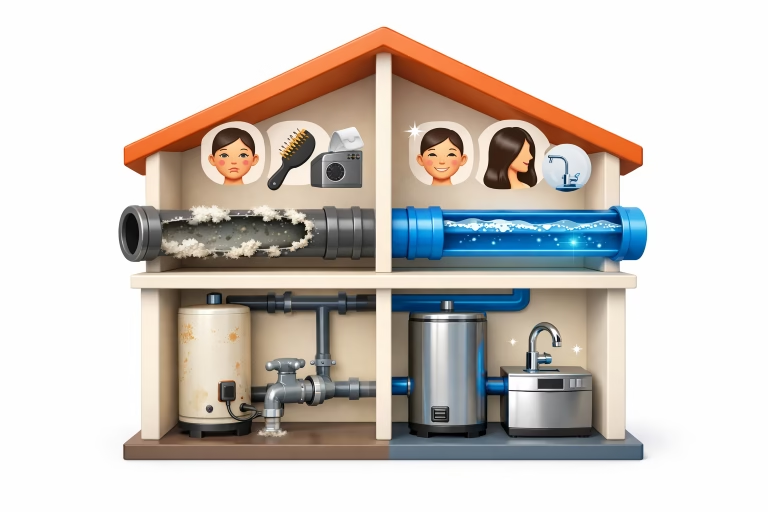
- Scale buildup inside pipes and hot water appliances reduces efficiency and can lead to costly repairs or replacements.
- Persistent soap scum on dishes, shower doors, and fixtures can make cleaning more cumbersome and time-consuming.
- Dry, itchy skin and hair, as hard water interacts with soaps and shampoos, making it harder to rinse away residue.
Hard water is widespread throughout the United States, with more than 85 percent of homes experiencing some form of hardness in their water supply, according to the U.S. Geological Survey.
How Water Softeners Work
Water softeners resolve hard-water issues through a process called ion exchange. The softener system typically includes both a resin tank and a brine tank. Inside the resin tank, tiny resin beads are charged with sodium or potassium ions. As hard water passes through, calcium and magnesium ions bind to the resin, while sodium or potassium ions are released into the water. The brine tank is used to flush and recharge the resin beads, keeping the system functioning over time. This cycle of exchange and regeneration provides a reliable supply of softened water for day-to-day household use.
Benefits of Using a Water Softener
There are several important benefits to installing a water softener in your home:
- Extends Appliance Life: Appliances such as dishwashers, water heaters, and washing machines last longer without scale buildup, reducing their performance and efficiency.
- Improves Cleaning Results: With soft water, detergents dissolve and rinse out more effectively, resulting in stain-free laundry, spotless dishes, and less scrubbing required.
- Healthier Personal Care: Softened water leaves skin feeling more hydrated and hair more manageable by eliminating mineral deposits that block pores and coat hair strands.
- Reduces Plumbing Problems: Pipes are less likely to clog or corrode when limescale doesn’t form on inner surfaces, reducing the risk of unexpected plumbing bills.
For more on the health and cleaning advantages of treating hard water, see the New York Times water softener guide.
Choosing the Right Water Softener
The best water softener for your home depends on several critical factors. The first step is to have your water tested for hardness, which will help determine the system’s required capacity. Larger households or those with higher water consumption will need more robust systems. Choices also include salt-based and salt-free devices. Salt-based systems are highly effective for removing minerals, while salt-free conditioners alter the structure of minerals to prevent scaling, requiring less maintenance and having smaller environmental impacts.
Installation and Maintenance
Proper installation and ongoing maintenance are necessary for your water softener to deliver the best results. Professional installation ensures the device integrates smoothly with your existing plumbing. If using a salt-based unit, the brine tank must be refilled periodically. Regularly cleaning the resin tank and checking for salt bridges or other blockages helps keep your system running efficiently and prevents issues down the road.
Environmental Considerations
It’s important to weigh the environmental effects of installing a water softener. The most significant concern is the discharge of salt into wastewater during the regeneration process. This has led some municipalities to regulate the use of salt-based softeners. High-efficiency models can reduce both water and salt usage. If you are especially concerned about environmental impact, you may consider salt-free systems or look into local regulations before installation. For a broader context on conservation challenges, visit the Environmental Working Group’s guide to water softeners.
Cost Analysis
The financial aspects of installing a water softener include initial purchase and ongoing care. On average, you can expect to spend between $500 and $2,500 upfront, depending on the system type and household needs. Maintenance costs, primarily for salt and potential repairs, are additional recurring expenses. However, the savings from decreased appliance repair and replacement, improved energy efficiency, and less cleaning effort can offset the investment over time. Many users find that, when weighed against the ongoing problems associated with hard water, a softener offers clear value.
Conclusion
Installing a water softener provides a straightforward and effective solution to the persistent problems caused by hard water. Benefits range from easing cleaning workloads to protecting your home’s infrastructure and improving comfort in your daily routine. Whether you prioritize appliance longevity, personal care, or environmental stewardship, understanding your options and taking action can help you enjoy the full benefits of engineered water quality for years to come.