
Key Takeaways:
- Identifying pests common to Chicago’s commercial spaces can help inform targeted prevention solutions.
- Timely proactive measures are crucial to protecting Chicago’s urban businesses and historic structures from infestations.
- Routine property maintenance and leveraging trusted local professionals play vital roles in keeping commercial environments pest-free.
Table of Contents
- Understanding Chicago’s Commercial Pest Threats
- Proactive Pest Prevention Solutions
- Role of Regular Maintenance
- Professional Inspections and Comprehensive Management
- Employee Training and Vigilance
- Adapting to Chicago’s Seasonality
- Conclusion
Understanding Chicago’s Commercial Pest Threats
The dense urban environment of Chicago presents unique pest challenges for local businesses. Pests like Norway rats, German cockroaches, ants, and pigeons are not only a nuisance but can cause significant health risks and property damage. Additionally, because many commercial properties in Chicago are housed within historic or aging buildings, they may be especially vulnerable to pests that exploit gaps and aging infrastructure for shelter and food sources. Access to quality pest control information and solutions is crucial for protecting Chicago’s business community. For more specific guidance, consider pointepestcontrol.net as a resource for commercial pest control services in the Chicagoland area.
Rodents like rats are particularly problematic in Chicago due to the abundance of alleyways, old basements, and dense waste streams. These conditions allow for easy nesting and food supply. Other pests, such as stinging insects in summer and rodents in winter, cycle with the seasons and can disrupt operations in restaurants, warehouses, and retail locations. Awareness of these patterns allows businesses to anticipate and address risks before they become infestations.
According to a report from the City of Chicago, complaints about rats and other pests tend to surge in late summer and early fall, reflecting how local conditions, such as construction projects and trash management issues, can exacerbate urban pest problems. Proactive monitoring and swift response to early warning signs are critical to avoid larger, costly infestations.
Health code violations linked to pest infestations can result in expensive fines and reputational damage. Chicago’s strict regulatory standards for hospitality, food processing, and healthcare facilities make regular pest surveillance and quick intervention a part of everyday business management.
Proactive Pest Prevention Solutions
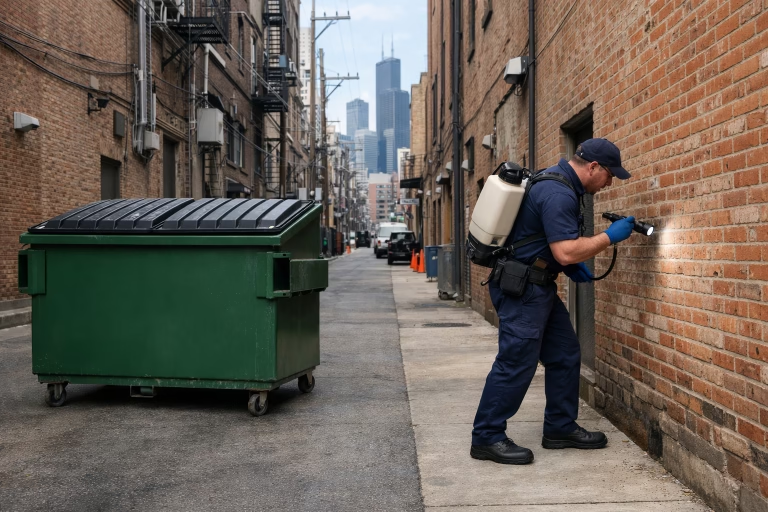
Property managers and business owners in Chicago can implement several proactive steps to keep their properties secure. First, perform regular inspections of the building exterior and common pest entry points, such as loading docks, foundation walls, and utility entryways. Seal gaps, install door sweeps, and repair window screens to physically block pest access while maintaining compliance with any building preservation standards relevant to local neighborhoods.
Maintaining a rigorous cleaning routine helps minimize food, water, and nesting materials that attract unwanted visitors. Chicago’s climate can create pockets of humidity and standing water in older buildings, so consistent cleaning and proper ventilation are essential. Equally important is waste management. Businesses should ensure all dumpsters are tightly sealed, emptied frequently, and stored away from doors and main walkways. The National Pest Management Association provides guidelines for effective waste practices to help prevent pest activity in commercial settings.
Role of Regular Maintenance
Routine maintenance proves crucial in safeguarding Chicago properties from pest incursions. Landscaping should be kept neat, with tree branches and shrubbery trimmed back from structures. Overhanging branches and dense vegetation offer a bridge for rodents and insects. Prompt attention to leaks and moisture intrusion is vital as well, since water-damaged wood and excess humidity are prime targets for pests like termites and mold beetles that threaten both structural integrity and indoor air quality. When repairs are fast-tracked, especially after heavy Chicago rains, it limits pest-friendly conditions and improves overall building resilience.
- Schedule HVAC and plumbing system inspections to detect hidden leaks and moisture accumulation.
- Patch and paint deteriorating exterior surfaces to repair cracks where insects and rodents often find entry.
- Check storage areas, utility closets, and basements for clutter and food debris during routine maintenance rounds.
Professional Inspections and Comprehensive Management
Collaborating with certified pest control experts allows Chicago businesses to design and implement an Integrated Pest Management (IPM) strategy tailored to their property type and neighborhood. Regular professional inspections are invaluable in identifying hot spots and active pest populations before they spread. Professional partners regularly update property managers on regulatory compliance changes affecting pest control in sensitive industries such as food service, healthcare, and hospitality.
Incorporating monitoring tools like bait stations, pheromone traps, and digital pest activity tracking can enhance early detection in large or multi-unit commercial facilities while minimizing chemical usage and exposure. Many pest control firms servicing Chicago neighborhoods offer quarterly or bi-annual inspection plans, ensuring issues like termites or seasonal rodent activity are caught early and handled appropriately. For more information on best practices, visit EPA’s overview on Integrated Pest Management.
Employee Training and Vigilance
The role of employees in maintaining pest-free spaces should not be overlooked. Training staff to spot droppings, gnaw marks, live or dead insects, and new holes in walls can allow for fast intervention and prevent minor issues from escalating into infestations. Simple measures such as keeping food sealed in breakrooms, promptly reporting leaks, and habitually checking waste areas are easy to enforce with an annual refresher or onboarding session. Businesses that empower staff to participate in pest prevention build a unified defense, reducing risks throughout seasonal changes.
Adapting to Chicago’s Seasonality
Chicago’s four-season climate means that pest pressures shift through the year. Spring and summer bring increased populations of ants, flies, and stinging insects, while rats and mice become more active in the colder months as they seek food and shelter indoors. Local regulatory agencies recommend businesses ramp up preventive efforts in late summer and early fall when pest activity is at its annual peak. Proactive scheduling of exterior treatments and property-wide inspections ahead of these periods is a hallmark of successful pest management in Chicago’s challenging conditions.
Conclusion
Pest prevention is an ongoing investment for Chicago’s commercial property owners and tenants, requiring a blend of environmental awareness, routine maintenance, employee involvement, and expert oversight. Adopting a comprehensive, local approach promotes safe, healthy, and productive environments in the heart of Illinois’ biggest city, while supporting the longevity and reputation of businesses large and small.