
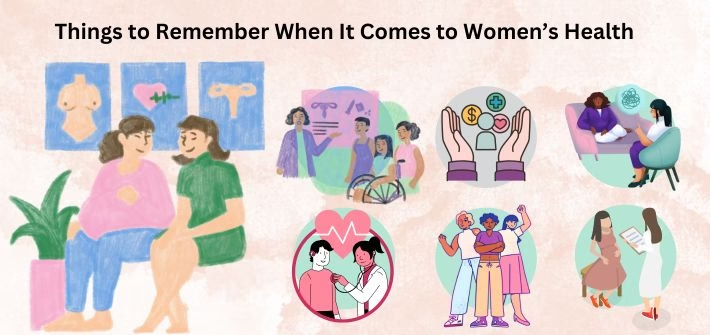
The matter of women’s health doesn’t pertain to one subject or life cycle but rather one that goes through a series of experiences throughout a woman’s life. Starting from puberty and into old age, there are specific phases of life for women that bring about changes to their bodies as well as their minds and require continuous care. Contemporary paradigms of healthcare delivery like CSMC stress the importance of holistic wellness, where prevention and timely measures become as important as cure itself. Understanding a few key points about women’s healthcare will put them at an advantage.
Your body has an innate intelligence, or
“One of the most critical pieces of knowledge that a woman needs when it comes to women’s health,” Amy shares, “is that your body is constantly talking to you.” What this means is that fluctuations related to your level of energy, your sleep patterns, your appetite, your moods, and your cycle are not simply random events in your life, but are “often signals of something that’s happening in your body.” CSMC-based care will empower women to follow patterns, rather than dismissing symptoms as “normal” stress or aging. This approach helps women tune in to their bodies so that problems can be found early, when they are manageable and less likely to disrupt life.
Regular self-awareness also engenders confidence at the doctor’s office. When women know their baseline health, they are better able to describe what has changed and, in turn, help their healthcare provider give them more effective advice.
Preventive Care is Not an Option But a Priority
Preventive care is the cornerstone of long-term women’s health. It involves routine checkups, screenings, and vaccinations, which help in the earlier detection of conditions before they worsen. Many women often delay their appointments either due to busy schedules or for fear, but CSMC wellness models stress that it saves time, money, and emotional stress in the long run.
In particular, screenings related to reproductive health, bone density, heart health, and hormonal balance are important throughout different life stages. Preventive care is not about finding problems; it’s about being informed and empowered.
Equally Important are Mental and Emotional Health
Women multitask between work, home, and relationship responsibilities, which are bound to take a greater toll on mental health. Anxiety, mood swings, burnout, and emotional exhaustion are common yet seldom recognized.
CSMC focuses on the interrelationship between the mind and body; a disturbed emotional condition invariably reflects negatively on physical health.
Mental self-care involves setting boundaries, finding healthy ways of managing stress, and seeking help where and when needed.
Emotional well-being is not an indulgence; it is a fundamental constituent of health that ought to get as much attention as physical symptoms.
The entire body is influenced by hormonal health.
Hormones are critically important to women’s health and influence mood, metabolism, skin, sleep, and reproductive functions.
Hormonal shifts occurring within puberty, pregnancy, postpartum stages, and menopause all support these changes. Women will find CSMC-oriented medical approaches allowing them better understanding of such changes rather than making them objects of fear.
When changes in the hormone system cause discomfort or interfere with normal life, professional guidance can help restore balance. Tracking symptoms and discussing them openly with healthcare providers ensures that hormonal health is managed proactively rather than reactively.
Lifestyle Influences Long-Term Health
“Daily habits influence women’s health in a big way,” Dr. Kim explains. “Nutrition, exercise, hydration, and sleep influence energy and disease prevention.” In this respect, the principles of wellness at CSMC include a focus on sustainability, not perfection. “For instance, a realistic goal would be to practice excellent hygiene habits,” Dr. Kim suggests.
Healthy movement contributes to a healthy heart, healthy bones, and emotional well-being, while healthy food sustains the body by maintaining balanced hormone levels. Healthy lifestyle choices mean there are no hard and fast rules but instead involve developing healthy habits.
Reproductive and Sexual Health Should Never Be Ignored
Reproductive and sexual health is a key part of women’s health, but it is usually clouded with stigma or taboo. Pain, discomfort, irregular menses, or an imbalance of libido are all valid reasons to visit a physician. Patient-centered care at CSMC encourages open, respectful dialogue to make women feel comfortable enough to talk about what is difficult to discuss.
Knowledge of reproductive health empowers women to be educated decision-makers regarding family planning programs, contraceptive methods, and general health issues. Health is not covered by silence; it is the result of knowledge and conversation.
Aging is a Transition, Not a Decline
When women age, they go through change, but this does not imply losing their health or independence. With good care, women can stay active, confident, and productive at all stages of their lives. The health care philosophies of CSMC promote positive aging in terms of mobility, bone integrity, cardiovascular health, and mental strength.
Acceptance of the aging process makes it easier for women to adjust their care practices and live with their condition without fear.
Creating an Honest Healthcare Relationship
A woman’s health care flourishes when trust exists between the caregiver and patient. The search for professionals who listen, explain things clearly, and show concern is crucial. CSMC prides itself as a facility that adopts a care plan which makes women participants rather than spectators in health care.
To prepare questions in advance, to share symptoms in an honest way, and to follow up on concerns will enhance this relationship and improve future outcomes.
FAQs
What makes preventive care so crucial for women?
Preventive care makes it possible to notice any problems with one’s health early enough, sometimes even when one feels no symptoms at all. Preventive care makes it easier to identify medical problems early, many of which can be discovered even before symptoms develop.
How often should females go for health checkups?
The frequency of such checkups varies with age and personal health records but usually takes place annually.
Is stress really connected with physical well-being?
Well, yes, there are potential effects on hormones, immunity, sleep, and cardiovascular function related to chronic stress.
Would general primary care providers be appropriate sources for discussing concerns about mental health?
Absolutely. Mental and physical health are intertwined and are best treated together.
Can lifestyle changes work to improve overall health?
Lifestyle modification strategies are very effective, but when made alongside expert medical advice, they become even more helpful.
Final Considerations for Women’s Health Awareness
Women’s health is all about balance, education, and self-worth and can all change for the better if one simply remembers the importance of listening and responding to one’s body, both from a preventive and a mental health point of view. Models of healthcare such as CSMC continue to emphasize the role of comprehensive and personalized approaches to healthcare that must adapt to different stages of life. Women must therefore remain educated and proactive in order to assure themselves of good health, whether it be in general or in areas such as skin chermside.