
Key Takeaways
- Protecting health and safety is the first priority after a Las Vegas collision.
- Good legal representation begins with preserving evidence, records, and timelines.
- Insurance companies investigate claims, but an injured person should understand what information is being requested and why.
- Las Vegas crashes may involve tourists, rideshare vehicles, commercial drivers, pedestrians, or multiple insurers.
- A prompt review of the facts can help identify deadlines, coverage questions, and available evidence.
Table of Contents
- Introduction
- The First Few Minutes After a Crash
- Making the Scene Safer
- When to Call Police and Emergency Services
- Information to Exchange
- Documenting the Collision
- Medical Care and Injury Records
- Insurance Communications and Legal Representation
- Vehicle Damage and Financial Losses
- Mistakes That Can Complicate a Claim
- A Practical 30-Day Timeline
- Frequently Asked Questions
- Final Thoughts
A serious crash can create medical, financial, and practical pressures all at once. A Las Vegas auto injury attorney can help an injured person evaluate the circumstances of a collision, communicate with insurers, and organize a claim while the person focuses on medical care and recovery.
Legal representation is not only about filing a lawsuit. In many cases, it involves investigating what happened, preserving proof, calculating losses, reviewing insurance coverage, and helping a client make informed decisions about settlement offers or further action.
The First Few Minutes After a Crash
Immediately after a collision, check for injuries, move away from immediate danger when possible, and call 911 if anyone needs emergency assistance. Shock can hide symptoms, so a person who initially feels fine should still monitor for dizziness, confusion, numbness, headache, breathing problems, or increasing pain.
Making the Scene Safer
Turn on hazard lights, avoid standing in active traffic, and keep children and passengers away from the roadway. If the crash involves property damage only and the vehicles can be moved safely, relocate them out of traffic when appropriate. Nevada’s crash reporting requirements explain that drivers may need to file an SR-1 report within 10 days when law enforcement did not investigate a crash involving injuries or at least $750 in damage.
When to Call Police and Emergency Services
Call 911 when someone is injured, a vehicle is blocking traffic, a driver appears impaired, a motorist leaves the scene, or the crash creates a fire, fuel, or utility hazard. A police report may record important details, including the date, location, vehicle information, witness identities, roadway conditions, and the officer’s observations. Ask for the report number before leaving the scene.
Information to Exchange
Drivers should calmly exchange necessary identifying and insurance information without debating blame. Collect the other driver’s name, contact details, license information, license plate number, vehicle description, insurance carrier, and policy details. If witnesses are present, ask for their names and contact information. A neutral statement is usually best: exchange information, document the facts, and allow the investigation to proceed.
Documenting the Collision
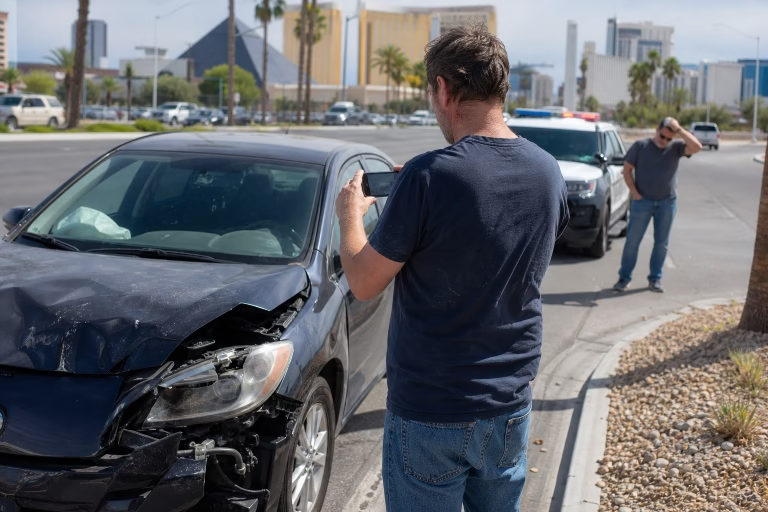
Photographs and notes can become important because road conditions, vehicle positions, and physical damage may change quickly. When it is safe, take wide shots of the scene and close images of damage, debris, skid marks, traffic signals, lane markings, nearby businesses, weather conditions, and visible injuries.
Evidence That May Matter Later
- Photos and video from the scene
- Dash-camera footage
- Witness contact information
- Police report details
- Vehicle damage estimates
- Medical records and treatment instructions
- Receipts for towing, rentals, prescriptions, and other expenses
Write a short account of the collision as soon as possible. Include the time, direction of travel, traffic flow, what you saw or heard, and any statements made by involved drivers or witnesses. Accurate notes are more useful than assumptions about fault.
Medical Care and Injury Records
Medical attention should not be delayed simply because the vehicle damage appears minor. Neck injuries, concussions, soft tissue injuries, and back pain may develop over hours or days. Follow medical advice, report all symptoms honestly, and keep records from emergency care, follow-up appointments, physical therapy, medication, diagnostic testing, and work restrictions.
Insurance Communications and Legal Representation
Insurance claims can involve recorded statements, repair estimates, medical authorizations, coverage limits, and settlement paperwork. Legal representation may help a claimant understand these requests and avoid accepting an offer before the full extent of injuries and losses is known. This can be particularly useful in Las Vegas cases involving tourists, rental vehicles, rideshare drivers, delivery vehicles, or several potentially responsible parties.
Timing matters as well. Nevada law generally provides a two-year period for an action seeking damages for personal injury or wrongful death caused by another person’s wrongful act or neglect, although exceptions can apply. Reviewing the applicable Nevada limitation periods early can help prevent a missed deadline.
Vehicle Damage and Financial Losses
Keep written repair estimates and receipts for towing, storage, rental transportation, damaged personal property, and out-of-pocket expenses. Do not authorize major repairs without understanding the insurer’s process, but do take reasonable steps to protect the vehicle from further damage. A claim may also involve lost income, reduced ability to work, or future treatment needs, depending on the facts and supporting documentation.
Mistakes That Can Complicate a Claim
- Leaving before exchanging required information or speaking with the police.
- Admitting fault or guessing about speed, distance, or visibility.
- Posting opinions, photos, or injury updates on social media.
- Ignoring symptoms or skipping recommended medical follow-up.
- Discarding damaged property, receipts, or records.
- Signing a release without understanding what rights it affects.
A Practical 30-Day Timeline
At the Scene
Prioritize safety, emergency care, information exchange, police notification, and photographs.
During the First Few Days
Seek medical evaluation, report the crash to the appropriate insurer, preserve evidence, and begin an expense file.
During the First Two Weeks
Attend follow-up care, collect reports and estimates, track symptoms, and document missed work or other losses.
By Day 30
Review whether treatment is ongoing, whether evidence has been preserved, and whether insurance communications or legal deadlines require prompt attention.
Frequently Asked Questions
When should someone consider legal representation after a Las Vegas crash?
A consultation may be useful when injuries are significant, fault is disputed, multiple vehicles are involved, an insurer denies or delays a claim, or a settlement offer does not appear to account for the full losses.
What if pain begins after leaving the scene?
Seek medical care promptly and explain that the symptoms began after a collision. Delayed symptoms can still be medically important.
Can a person handle an insurance claim without a lawyer?
Some property-damage-only claims are straightforward. However, injury claims can become more complex when medical treatment, lost income, liability disputes, or multiple insurance policies are involved.
Final Thoughts
Effective car accident legal representation in Las Vegas starts with a clear record of what happened and a careful assessment of how the crash has affected the injured person. Preserve evidence, obtain medical care, keep organized records, and seek individualized legal guidance before making decisions that could affect a claim.