
The colors and sparkle of a gemstone can pull you in. But underneath all that beauty, what really counts is certification. A stone can look flawless, sure. But if it isn’t certified, you’re just taking the seller’s word for it. And with so many treated, synthetic, or flat-out fake stones out there, that’s a gamble.The upside? Checking a gemstone’s certification isn’t nearly as tough as people think. Once you know what to look for, it becomes super easy and it gives you real peace of mind about what you’re buying.
What is a Gemstone Certificate?
A gemstone certificate is just a report from a legit gem lab that spells out what your stone actually is. It clearly states whether a stone is natural, synthetic, or a treated one.
Places like the Gemological Institute of America or the International Gemological Institute have strong reputations. This is because they stick to tough testing standards. If your gemstone comes with one of their certificates, you know experts have truly checked it out. Such certifications mean you can buy with a lot more peace of mind. Think of it as proof that you’re getting exactly what you paid for.
Why You Should Never Skip Certification
Despite getting a gemstone from a reputable store, you should always confirm its authenticity.
Looks can be deceiving, honestly. A lot of gemstones get treated to boost their color or clarity, and some are actually made in labs but still advertised as natural. Without proper certification, you’d have a tough time spotting the difference.Certification shows you exactly what you’re buying. It’s pretty handy if you want to resell the stone someday or need insurance.
Bottom line: certification isn’t only about knowing it’s authentic. It’s about having everything out in the open. There are many reputable sellers like GemstonesforSale that provide certification on request.
What to Look For in a Real Gemstone Certificate
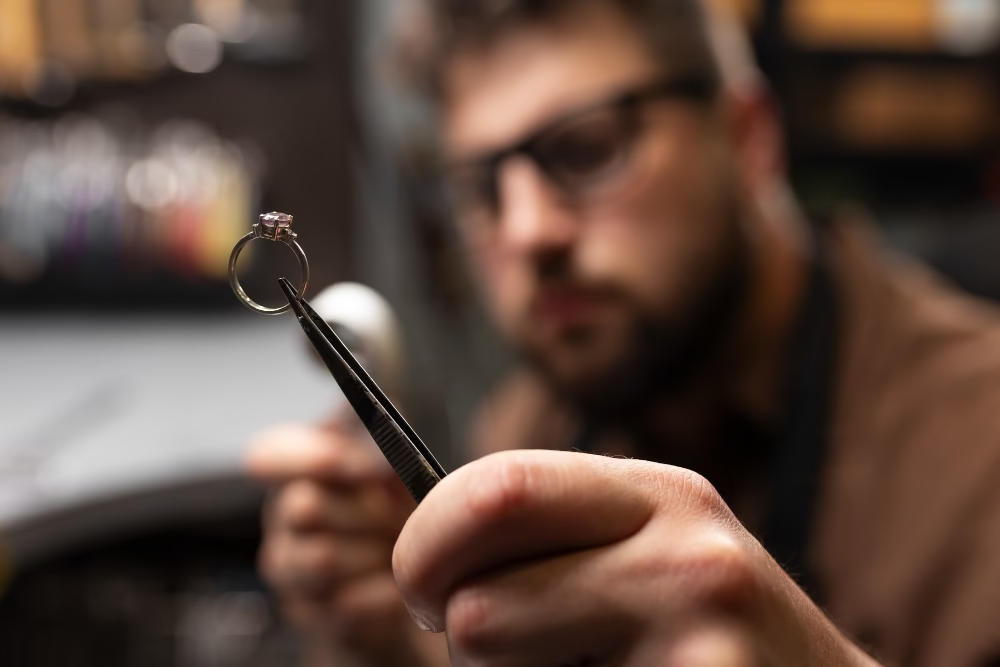
At first glance, a gemstone certificate can look pretty dense. Don’t worry; you don’t need to be an expert to spot the important stuff.
You can start with the basics. The certificate should tell you exactly what the gemstone is, and say if it’s natural or synthetic. If anyone’s done anything to the stone like heat treatment or oiling, that should be listed, too. Look for the stone’s color, weight in carats, cut, and clarity. Those details really matter. Most genuine certificates also have a report number, so you can double-check everything online.
How to Tell if a Certificate Is Real
A lot of buyers hit a wall here, but honestly, it’s pretty easy to check. Big names like the Gemological Institute of America and International Gemological Institute let you verify certificates online. Just punch in the certificate number on their site, and you’ll see if the report lines up with the gemstone you’re looking at.
Always take a moment to do this quick check. It’s an easy way to spot a fake right away.
Also, look closely at the certificate itself. Real ones are easy to read, use the right technical terms, and don’t have typos. If the document looks poorly printed or something feels off, be careful.
Common Tricks That Sellers Use
One thing to watch out for: the word “certified” doesn’t always mean much. Some sellers hand out certificates from labs you’ve never heard of. They look official, but honestly, they’re pretty much worthless. Another sneaky move is showing a legit-looking certificate that belongs to a different stone. Maybe the details seem to line up, but the gemstone itself isn’t the same one that got certified.
So, what do you do? Always check that the certificate matches the actual gem. Look at the weight, size, and description side.
Lab Certification vs Store Certification
A lot of buyers get confused about this: store certification isn’t the same as lab certification.
When a store hands you a certificate, it’s really just their guarantee. Lab certificates, on the other hand, come from independent experts. They’re not connected to the seller.
If you’re deciding between the two, lab certification is the way to go. And if a seller gives you both? That’s great. But if you only get one, pick the recognized lab report every time.
Does Every Gemstone Need Certification?
No, not every gemstone needs certification. If you’re picking out a cheap, tiny stone for everyday jewelry, you probably won’t need it. But once you start dealing with more expensive gems, certification matters a lot more.
With stones like diamonds, sapphires, emeralds, or opals, especially if you’re shelling out serious money, always ask for certification. It’s not really about strict guidelines; it just helps you feel confident about what you’re buying.
Final Words
A gemstone can grab your attention with its sparkle, but certification keeps your purchase safe.
It’s tempting to fall for appearances and skip the paperwork. But, you should always spend a few minutes to check the stone’s certification. It can spare you trouble down the road.
This blog will help, especially if you want to buy opal stones for sale.