

Key Takeaways
- Know where the tank, access covers, and drainfield are located.
- Inspect and pump on a schedule suited to the household and system.
- Spread out high-water activities, including laundry loads.
- Keep vehicles, deep roots, runoff, and structures off the drainfield.
- Treat sewage odors, backups, wet ground, and alarms as reasons to investigate promptly.
Orlando homeowners with onsite wastewater systems face a familiar challenge: protecting a system that does most of its work out of sight. Florida’s heavy rain, sandy soils, high water use, and active landscaping can all make consistent care especially important. Planning routine septic pumping before a problem develops is one practical part of responsible home upkeep.
A healthy septic system depends on more than just the tank. Daily water habits, what goes down the drains, and the condition of the drainfield all affect how wastewater is handled. A few simple records and early attention to warning signs can make it easier to respond before a plumbing issue becomes a messy household disruption.
Why Routine Septic Care Matters
Septic systems rely on a tank and a surrounding soil treatment area to manage household wastewater. When solids build up excessively or too much water reaches the system at once, wastewater may not move or be treated as intended. Backups can affect fixtures and interior finishes, while drainage problems can create wet areas outdoors. Consistent septic maintenance is most effective when treated as a routine household task rather than something addressed only during an emergency.
The right service interval is not identical for every home. Tank capacity, number of occupants, water use, garbage-disposal habits, and the presence of pumps or filters all matter. The EPA’s guidance on septic inspections and pumping notes that many systems are inspected every 1 to 3 years and pumped about every 3 to 5 years, although complex systems may require more frequent attention.
How A Typical Septic System Works
Wastewater leaves the home through the main plumbing line and enters the septic tank. Heavier solids settle as sludge, while oils and lighter material form a scum layer near the top. Liquid wastewater exits through an outlet and flows to the drainfield, where it is dispersed underground and treated as it passes through the soil. Layouts vary, so homeowners should locate the system plan and boundaries before installing a fence, planting trees, or starting major yard work.
Build A Simple Maintenance Schedule
Start With A Baseline
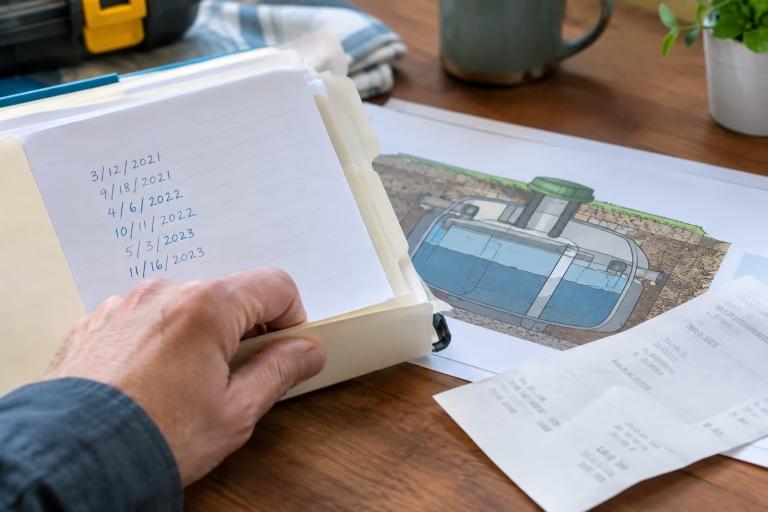
Gather the last inspection report, pumping receipt, permit information, and any property diagram. Record the tank size, system type, filter details, pump information, and alarm locations if applicable. If records are missing, a qualified inspection can provide a useful starting point.
Keep A Written Record
A paper folder, spreadsheet, or phone note is enough. Log service dates, observations about sludge or scum levels, recommended repairs, alarm events, and household changes. This history helps show whether the system’s needs have changed over time and is useful when selling or buying a home.
Warning Signs That Need Attention
One slow drain does not always indicate a septic problem, but several symptoms occurring together deserve prompt attention. Watch for toilets that gurgle, multiple slow fixtures, persistent sewage odors, standing water, unusually lush or wet ground near the drainfield, wastewater backing into fixtures, or an alarm from a pump or treatment component.
If sewage backs up, stop using water-intensive fixtures immediately. Keep children and pets away from affected areas, do not open a tank without professional direction, and note which fixtures are involved. Avoid assuming that a chemical drain product or a tank additive will solve an underlying wastewater problem.
Daily Habits And Drainfield Care
Use Water In Smaller Bursts
- Repair running toilets and dripping faucets promptly.
- Space laundry loads across the week instead of washing many loads at once.
- Run dishwashers and washing machines when the system is not already receiving heavy water use.
- Consider efficient fixtures when replacing older plumbing components.
Be Careful About What Enters Drains
Human waste and toilet paper are the safest materials to flush. Wipes, even those labeled flushable, paper towels, dental floss, cat litter, feminine hygiene products, grease, coffee grounds, paint, solvents, medications, and automotive fluids do not belong in a septic system. Limiting food waste sent through a garbage disposal can also reduce the solids entering the tank.
Protect The Drainfield
Keep cars, trailers, sheds, pools, and heavy equipment off the drainfield and tank area. Their weight can compact soil or damage buried components. Direct roof runoff and irrigation away from the field, avoid paving over it, and use shallow-rooted ground cover where suitable. Trees and shrubs should be kept far enough away that roots do not interfere with pipes or the soil treatment area.
What To Do Before A Service Visit
- Clear light debris, toys, and movable yard items from known access areas.
- Gather permits, diagrams, prior reports, and pumping records.
- Write down recent symptoms, including odors, alarms, slow drains, or wet spots.
- Tell the technician about renovations, added occupants, or new water-using appliances.
- Request a written summary of the tank condition and recommended next steps.
Tips For New Orlando Homeowners
After buying a home with a septic system, request the permit, site plan, service history, and any documentation for pumps, filters, or alarms. Confirm the drainfield boundaries before planning landscaping or outdoor projects. If the system history is unclear, arranging a condition check provides a practical baseline for future care.
Frequently Asked Questions
Can A Septic System Be Overloaded With Water?
Yes. A sudden surge of water from leaks, long showers, repeated laundry loads, or multiple appliances can move through the system faster than the tank and drainfield can comfortably handle. Spreading water use out helps reduce that strain.
Are Septic Additives Necessary?
Additives should not replace inspections, pumping when needed, careful waste disposal, or water conservation. A homeowner should address a suspected mechanical or drainage issue directly rather than relying on an additive as a repair.
What Does A Healthy Drainfield Look Like?
A healthy drainfield is generally free of standing water, strong sewage odors, and persistently saturated patches. Because problems can begin below the surface, the absence of visible symptoms does not remove the need for regular system care.
A Simple Plan
Locate the system, save its records, manage household water use, protect the drainfield, and respond quickly to changes in plumbing or yard conditions. For Orlando households, these steady habits offer a practical way to support the system, the property, and the surrounding environment.