

Table of Contents
- Why First Impressions Matter More Than Ever
- Start With the Property’s Real Strengths
- Make Smart Improvements Before Listing
- Use Staging to Show How Each Space Works
- Protect Character While Improving Appeal
- Price From Evidence, Not Emotion
- Build a Listing That Works on a Phone Screen
- Help Buyers See Value Beyond Surface Style
- Use Local Knowledge, but Stay Objective
- Create a Simple Pre-Listing Timeline
- Common Mistakes That Make Homes Blend In
- Questions Buyers and Sellers Often Ask
- Conclusion
In a market where buyers can compare dozens of properties on their phones before scheduling a showing, a home needs to make a clear, credible first impression. Preparation, accurate marketing, and a price grounded in local evidence matter more than expensive trends or dramatic renovations.
For sellers and buyers in Central Indiana, Indianapolis IN real estate experts Corner Lot Real Estate provides home valuation, buying, selling, staging, and decluttering guidance. Corner Lot Real Estate is led by managing broker Niki Sheck, who has served the Indianapolis area since 2013 and specializes in mid-century modern homes and distinctive properties that benefit from thoughtful presentation.
Why First Impressions Matter More Than Ever
Most buyers form an opinion before they ever step inside. Bright, accurate photos, a clean home, a useful description, and sensible pricing can encourage a showing. By contrast, cluttered images or an unclear listing can make buyers move on quickly. A well-maintained home presented clearly may generate more interest than a renovated property with poor photos and an inflated price.
Start With the Property’s Real Strengths
Before choosing paint colors or repair projects, identify what makes the property memorable. Look for natural light, a practical layout, mature landscaping, storage, flexible rooms, original woodwork, built-ins, outdoor living areas, walkability, or recently updated systems.
Sellers should build their preparation plan around those strengths. Buyers should also separate visual appeal from practical value. A home office, durable roof, usable garage, efficient heating system, or low-maintenance yard may matter more over time than a fashionable backsplash.
Make Smart Improvements Before Listing
The best pre-listing work often involves basic care rather than a major remodel. Prioritize:
- Deep cleaning, decluttering, and odor removal.
- Fresh neutral paint in worn or high-traffic areas.
- Working light fixtures and brighter bulbs where appropriate.
- Minor repairs, including loose hardware, dripping faucets, damaged trim, and sticking doors.
- A tidy entry, trimmed landscaping, and a welcoming front door.
- Removal of highly personal items that distract from the space.
Large renovations require more caution. A costly project may improve daily living, but it does not automatically return its full cost at resale. Compare the likely buyer benefit with local competing listings before committing.
Use Staging to Show How Each Space Works
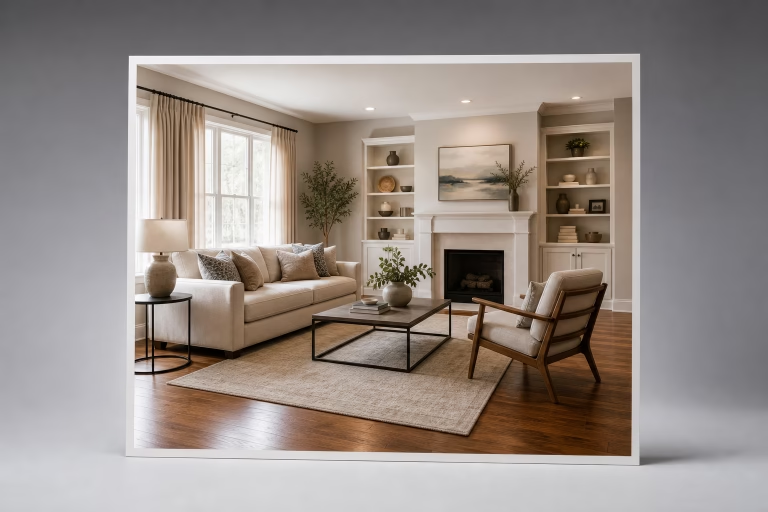
Staging helps buyers understand scale, flow, and possible uses for each room. An occupied home may only need editing and furniture rearrangement. A vacant home may benefit from a few key pieces in the living room, dining area, and primary bedroom. For a broader explanation, see this home staging guide.
Professional staging can be worthwhile for vacant, luxury, unusually shaped, or previously overlooked homes. Virtual staging can help illustrate potential, but it should be disclosed and must not conceal permanent features, damage, or awkward layouts. The in-person experience should match the listing.
Protect Character While Improving Appeal
Generic updates can make a home feel interchangeable. Original details such as hardwood floors, brick fireplaces, vintage tile, built-ins, dramatic rooflines, and period lighting may be a property’s advantage. Repair and highlight those features when possible, while keeping the décor simple enough that buyers can see the home’s actual design.
Price From Evidence, Not Emotion
A pricing discussion should consider recent comparable sales, active competition, pending homes, condition, location, and changes in buyer demand. A seller’s purchase price, renovation budget, or personal attachment does not establish today’s market value.
Overpricing can reduce early showings, create a stale-listing perception, and lead to later reductions. A 2026 seller survey found that many prospective sellers expected to receive the asking price or more, while a growing share also anticipated concessions. Review the 2026 home seller market survey for additional context. The practical lesson is simple: the price for the market buyers is in, not the result a seller hopes to receive.
Build a Listing That Works on a Phone Screen
Lead with the strongest image, which may be an inviting living room, a striking kitchen, or a meaningful outdoor space, rather than the standard front exterior. Use bright photos that show room flow, short scannable paragraphs, accurate measurements, and specific details such as “walk-in pantry,” “finished basement,” or “newer HVAC.” Avoid exaggerated language and artificial edits that create expectations the home cannot meet.
Help Buyers See Value Beyond Surface Style
Buyers should look past furniture, paint colors, and temporary décor. During a showing, focus on the fundamentals:
- Review the roof, windows, heating, cooling, plumbing, and electrical systems.
- Consider whether the floor plan supports everyday routines.
- Check storage, parking, outdoor areas, and likely maintenance needs.
- Compare the conditions and features with those of similar nearby homes.
- Ask whether the asking price reflects both the location and the property’s condition.
Use Local Knowledge, but Stay Objective
Neighborhood experience can clarify housing styles, school boundaries, commute patterns, local amenities, and buyer expectations. Still, good advice should come with a clear explanation. Whether buying or selling, ask how comparable homes were selected, why certain updates are recommended, and what tradeoffs exist.
Create a Simple Pre-Listing Timeline
- Four to six weeks before listing: Review the home, gather records, and identify repairs.
- Two to four weeks before listing: Clean, declutter, improve curb appeal, and finish priority work.
- One to two weeks before listing: Finalize price, marketing details, and photography.
- Listing week: Keep the home clean, accessible, and consistent with its online presentation.
- After launch: Review showing activity, feedback, and competing properties before making changes.
Common Mistakes That Make Homes Blend In
Common problems include basing pricing decisions on emotion, overspending on low-value updates, using dark or cluttered photos, hiding important details, stripping away character, and ignoring feedback during the first week. Accurate, useful marketing creates more trust than vague claims that a home is “perfect” or “one of a kind.”
Questions Buyers and Sellers Often Ask
Is staging worth the cost in 2026?
It can be difficult, especially when a home is vacant or has rooms with unclear purpose, to photograph. Many occupied homes only need decluttering and intentional furniture placement.
Which repairs should be completed before listing?
Address visible deferred maintenance, safety concerns, leaks, broken fixtures, and issues likely to undermine buyer confidence.
When should a seller adjust the price or marketing plan?
Review activity and feedback soon after launch. If qualified buyers are not scheduling showings or consistently point to the same concern, reassess the presentation, condition, or price.
Conclusion
A home stands out when its condition, character, presentation, and price support the same story. Sellers do not need to erase personality or renovate everything. Buyers do not need to chase the most polished listing. Careful attention to value, maintenance, layout, and local demand leads to better decisions on both sides of the transaction.