
Key Takeaways
- Heavy rain can change pest activity by disrupting outdoor shelter and creating new moisture sources.
- Check for standing water, clogged gutters, leaks, damaged screens, and gaps around doors, windows, and utility openings after storms.
- Reduce food, water, and shelter by storing food properly, controlling moisture, and clearing clutter and debris.
- Common post-storm concerns include roaches, ants, mosquitoes, termites, and rodents.
- Seal accessible entry points with appropriate door sweeps, weatherstripping, caulk, and screens.
- Avoid unnecessary pesticide use and always follow product labels and safety directions.
- Repeated sightings, droppings, termite swarmers, gnaw marks, or activity in hidden areas may require professional inspection.
- A simple 24- to 48-hour inspection and cleanup routine can help address storm-related pest conditions before they become more difficult to manage.
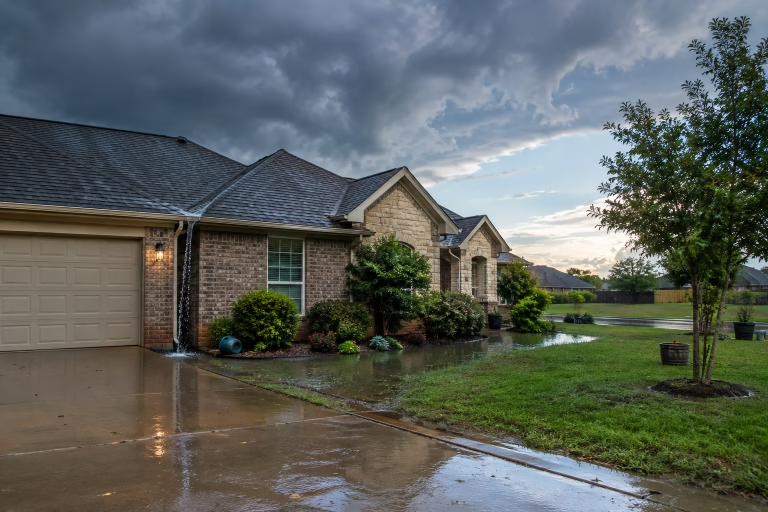
Heavy rain can quickly change pest activity around a Texas home. In Dallas-Fort Worth, Houston, Austin, San Antonio, and nearby communities, saturated soil, backed-up gutters, and pooled water can push insects and rodents to
seek drier spaces, dependable food, and protected hiding places. For recurring activity or signs of a larger problem, pest control services from Romney Pest Control can help homeowners identify the source and build a practical treatment plan. Romney Pest Control provides residential, commercial, and termite-focused solutions across Texas, including Dallas-Fort Worth, Houston, Austin, and San Antonio, so its team addresses the pest pressures that often follow local storms and changing weather.
Why Pest Activity Often Rises After Heavy Rain
Rain does not automatically create a new infestation, but it can make an existing outdoor pest problem much more noticeable. Flooded ant tunnels, soaked rodent nesting areas, and saturated soil can disrupt the places pests normally hide. Once their shelter becomes wet or unstable, many pests follow edges, walls, pipes, and utility lines toward protected areas. Moisture also creates favorable conditions around the home. Water collecting in gutters, planters, toys, low spots, or clogged drains can support mosquito activity. Roaches may appear near damp kitchens, bathrooms, garages, and drains, while ants often form visible trails as they search for food and a dry route indoors.
The Pests Texas Homeowners May Notice First
- Roaches: Watch for increased sightings near drains, cabinets, kitchens, garages, exterior doors, and water heaters.
- Ants: Look for trails along windowsills, walls, countertops, foundations, and plumbing penetrations.
- Mosquitoes: Expect more activity around containers that hold water, including flowerpot saucers, birdbaths, buckets, toys, and clogged gutters. The mosquitoes that bite people may be active indoors or outdoors, depending on the species and conditions.
- Termite swarmers: Winged termites near windows, doors, lights, or wood can require prompt attention, particularly when several appear indoors.
- Rodents: Fresh droppings, gnaw marks, scratching sounds, disturbed insulation, or movement in attics and garages can indicate that rodents have found a dry route inside.
A Same-Day Storm Inspection Checklist
A quick inspection after the rain slows can reveal moisture problems before they become long-term pest attractants. Focus on areas where water gathers or where exterior openings meet the house.
- Walk the perimeter and note standing water near the foundation, porch, garage, or air-conditioning equipment.
- Check gutters, downspouts, window wells, drains, and foundation edges for clogs or overflow.
- Inspect door sweeps, window screens, attic vents, utility openings, and damaged weatherstripping.
- Look beneath sinks and around appliances for leaks, wet flooring, or damp cabinets.
- Move wet cardboard, leaf piles, firewood, and heavy mulch away from exterior walls.
- Take photos and make notes of unusual trails, droppings, insect sightings, or damaged materials.
Remove the Three Things Pests Need
Effective prevention starts with food, water, and shelter. Reducing those resources and sealing entry points so pests are less likely to settle indoors is an important step homeowners can take, following the EPA’s home pest prevention guidance.
Limit Food Access
- Store cereal, flour, pet food, and snacks in sealed containers.
- Clean crumbs, grease, and spills from counters, floors, and appliance edges.
- Do not leave pet food bowls out overnight when pest activity is a concern.
- Use covered trash containers and remove household waste regularly.
Control Moisture
- Repair leaking faucets, pipes, appliance connections, and outdoor spigots.
- Empty water from containers, plant trays, toys, and decorative features.
- Direct downspouts away from the foundation where practical.
- Improve ventilation in bathrooms, kitchens, laundry areas, garages, and crawl spaces.
Reduce Hiding Places
- Clear excess mulch, leaves, clutter, and stored materials from beside exterior walls.
- Keep firewood elevated and positioned away from the structure.
- Reduce cardboard storage, especially in garages, closets, and utility rooms.
- Trim shrubs and branches so they do not touch the siding or roofline.
How To Seal Common Pest Entry Points
Small gaps can become busy access routes after a storm. Inspect the space beneath exterior doors, cracks around window frames, openings around plumbing and electrical lines, torn screens, attic vents, garage corners, and foundation cracks. Use properly fitted door sweeps, weatherstripping, caulk, and suitable mesh screens to close accessible gaps. Expanding foam can help fill certain voids, but it should not be the only barrier against rodents chewing through materials.
When One Pest Sighting May Mean More
An occasional insect after a storm is not always an infestation. However, it is time to investigate more closely when you see pests repeatedly during the day, find fresh droppings or grease marks, notice egg cases or shed skins, or observe activity in multiple rooms. Damaged food packaging, new gnaw marks, wings near windows, nesting materials, and strong odors from cabinets, walls, attics, or crawl spaces also deserve attention.
What To Avoid After a Storm
- Do not mix household chemicals or apply more pesticide than the label permits.
- Do not use outdoor-only pesticide products inside the home.
- Do not permanently seal an opening until you are reasonably sure rodents or wildlife are not trapped inside.
- Do not dismiss repeated sightings simply because activity pauses for a few days.
- Do not add random chemicals to standing water near children, pets, gardens, or storm drains.
When To Call a Pest Professional
Professional help is often the safer choice for termite swarmers, recurring rodent signs, large cockroach populations, pests in wall voids, or activity that continues after cleanup and repairs. A trained inspection can help determine whether the problem is a short-term weather response, an entry-point issue, or a nesting site that needs targeted treatment.
A Simple 48-Hour Prevention Plan
- First six hours: Remove standing water, dry interior damp spots, and check doors and windows.
- By the end of day one: Clear gutters and debris, then address obvious gaps around the home.
- Within 24 hours: Check kitchens, bathrooms, garages, and utility rooms for trails, droppings, or moisture.
- Within 48 hours: Review repeated activity and schedule an inspection if warning signs continue.
Common Questions About Rain and Indoor Pests
Do pests always move inside after heavy rain?
No. Some pests remain outdoors, while others seek dry shelter. The result depends on the pest, drainage conditions, available hiding places, and the condition of the home.
Can standing water create a pest problem?
Yes. Standing water can support mosquito breeding and create a continuing moisture source around the property.
Should homeowners spray immediately?
Not necessarily. Cleanup, moisture control, and entry-point repairs may resolve minor activity. Identifying the pest first helps avoid ineffective or unsafe treatment choices.
Conclusion
Texas storms can make pest problems visible in a matter of hours, but fast, practical action can make a home far less inviting. Heavy rain, flooding, strong winds, and standing water can create temporary conditions that attract insects and other pests or provide new access points into the home. After a storm, homeowners should remove standing water, dry damp areas, protect food, clear outdoor shelter, check damaged screens, and seal gaps around doors, windows, vents, and other potential entry points. It is also helpful to inspect gutters, drainage areas, landscaping, and outdoor storage for water or debris that may provide food, moisture, or shelter. If termite, rodent, or repeated insect activity continues, an inspection can help identify the source and determine whether additional repairs or targeted treatment are needed. Addressing the underlying conditions early can help prevent a temporary storm-related issue from becoming a larger pest problem.